
Furniture Packaging That Protects Your Sales and Margin
Furniture Packaging That Protects Your Sales and Margin
Help products arrive ready to sell—without letting carton volume quietly eat into profit.
Damage claims. Replacement costs. Negative reviews.Oversized cartons eating into your margin.
You chose a product because you believe customers will buy it. You don’t need to know the packaging specifications. Tell us how you sell and where it will be delivered—we can review suitable options with you.
For online sales
One damaged order can become a return, a replacement and a negative review.
An oversized carton can take margin from every shipment.
For online orders, the packaging is chosen around the parcel journey: enough protection for the product, without paying for empty space.
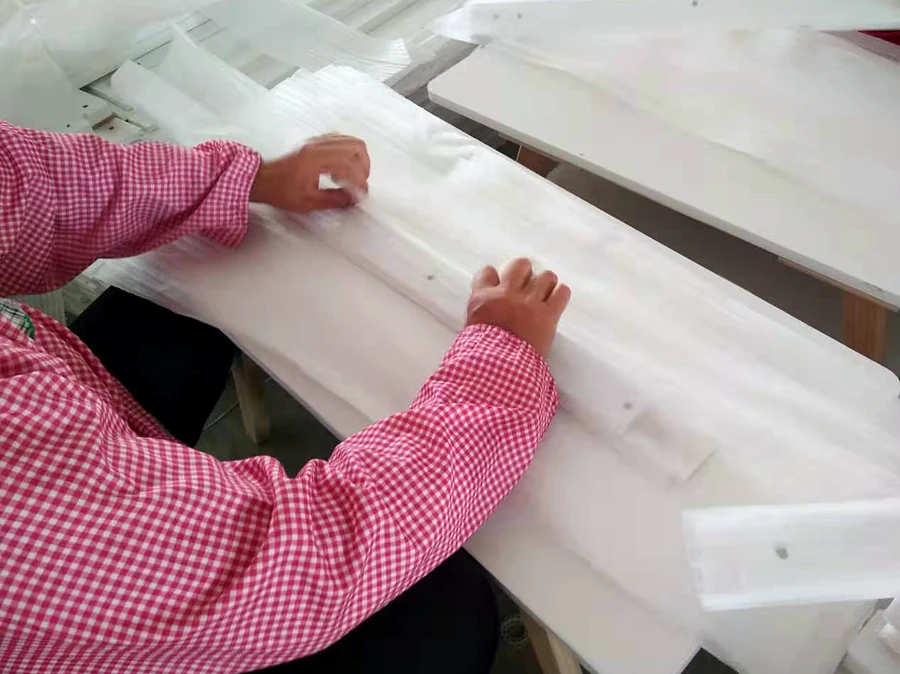
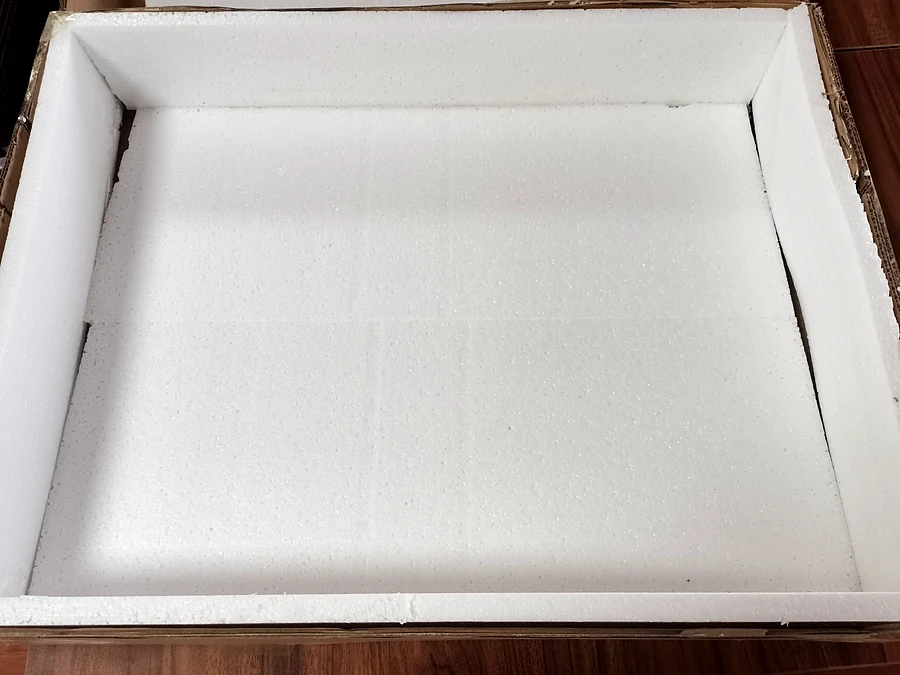
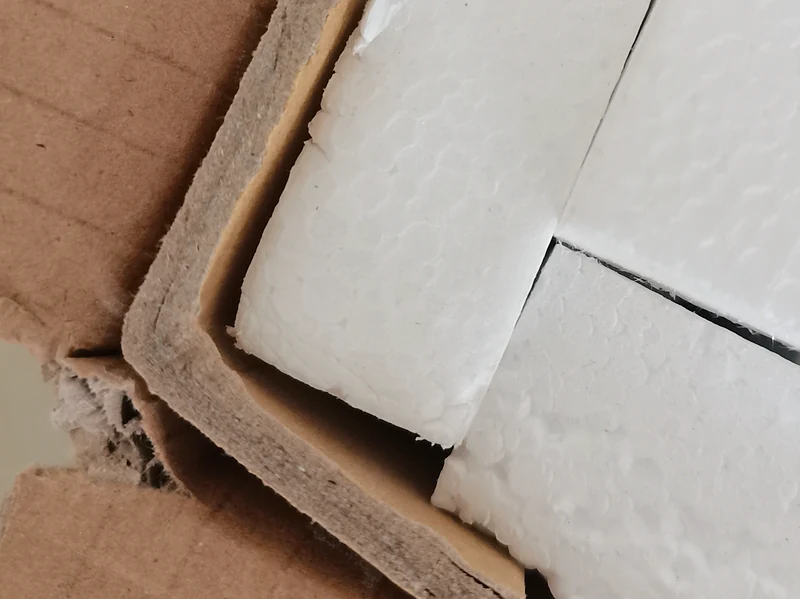
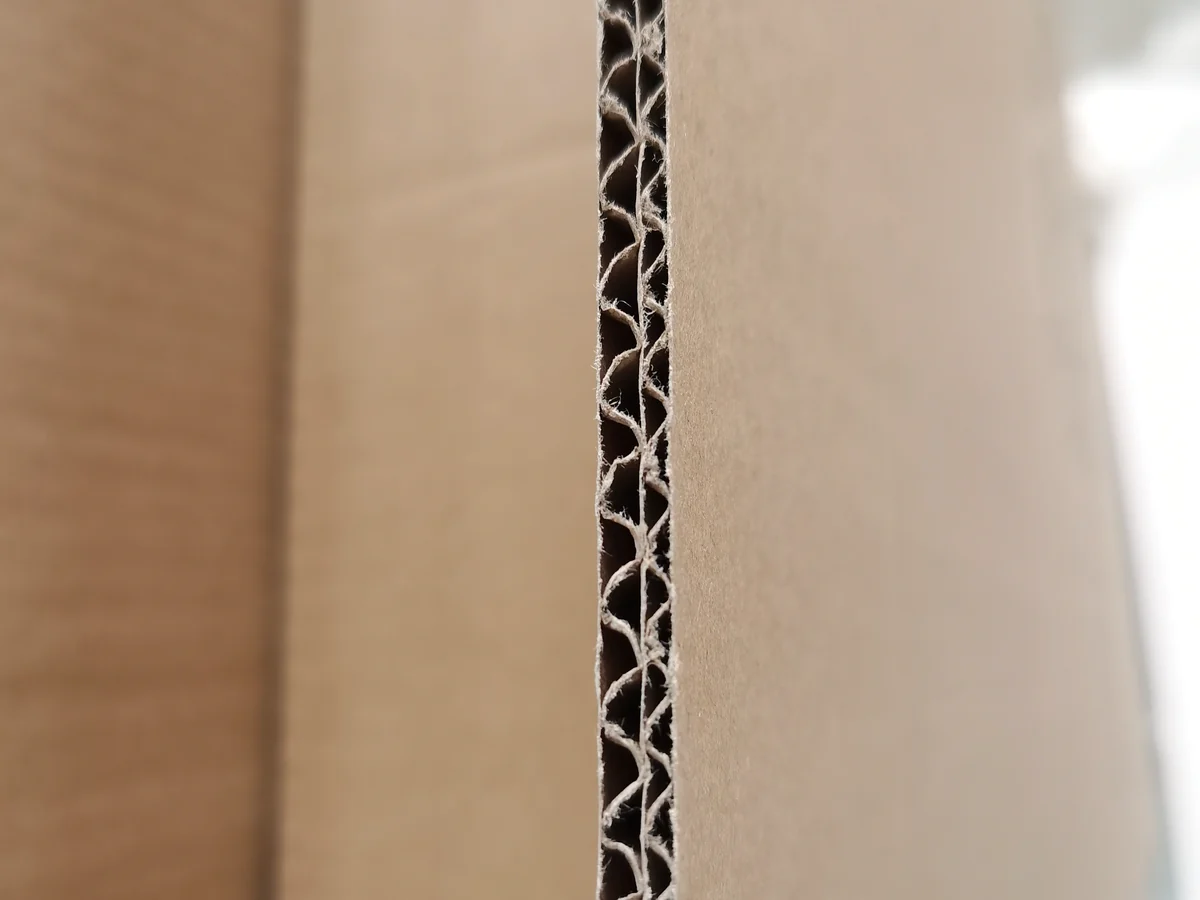
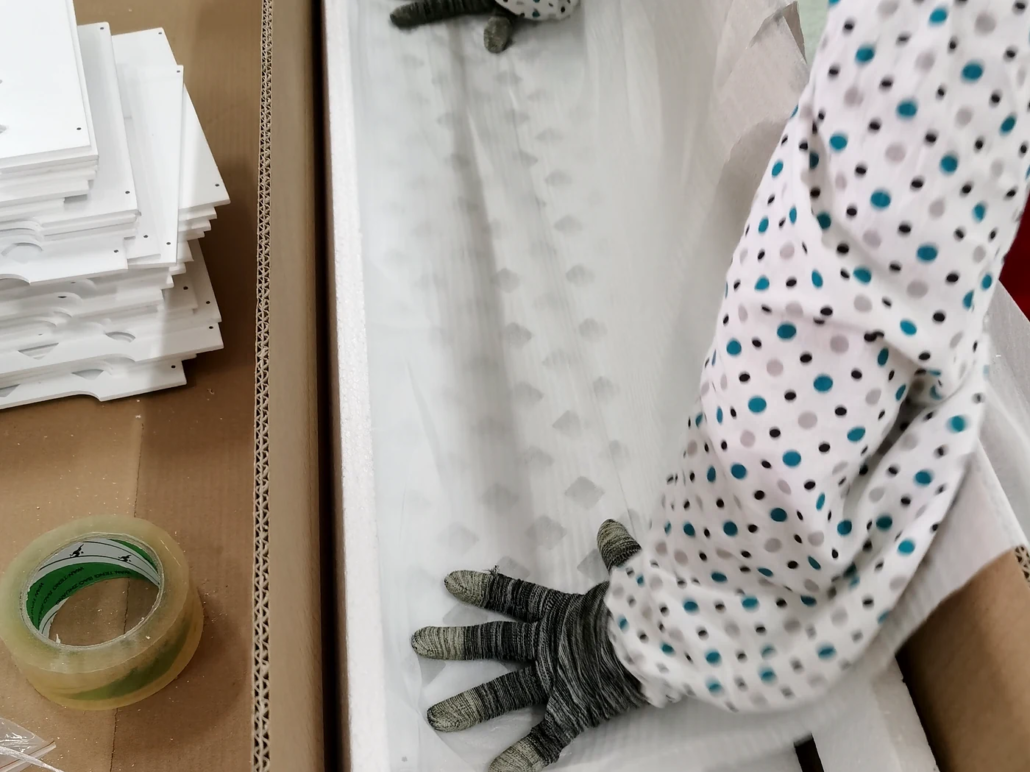
You don’t need to choose the foam thickness. We consider product weight, protection needs, carton size, transport cost and damage-related returns together. For lighter products, 1.5 cm foam boards may be suitable; heavier products may need 2 cm or thicker. These are examples, not one standard for every item.
CBM = L × W × H (in metres)
Carton dimensions can affect shipping charges on some parcel services and the space available in a container. You don’t need to calculate this alone.
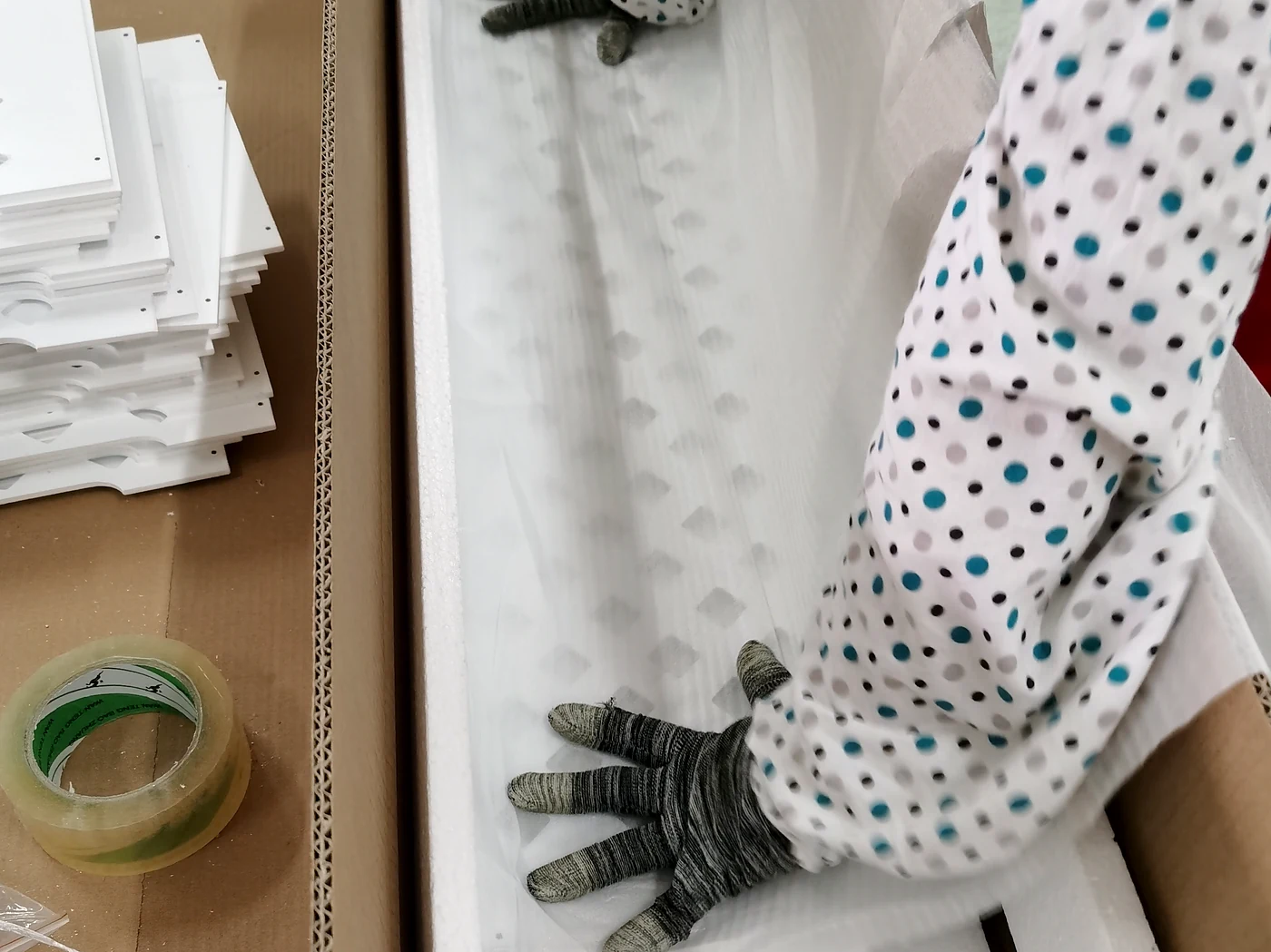
For offline retail
Want stronger shelf presentation? Choose full-color printing. Need to control packaging cost? Choose a brown carton with a color label.

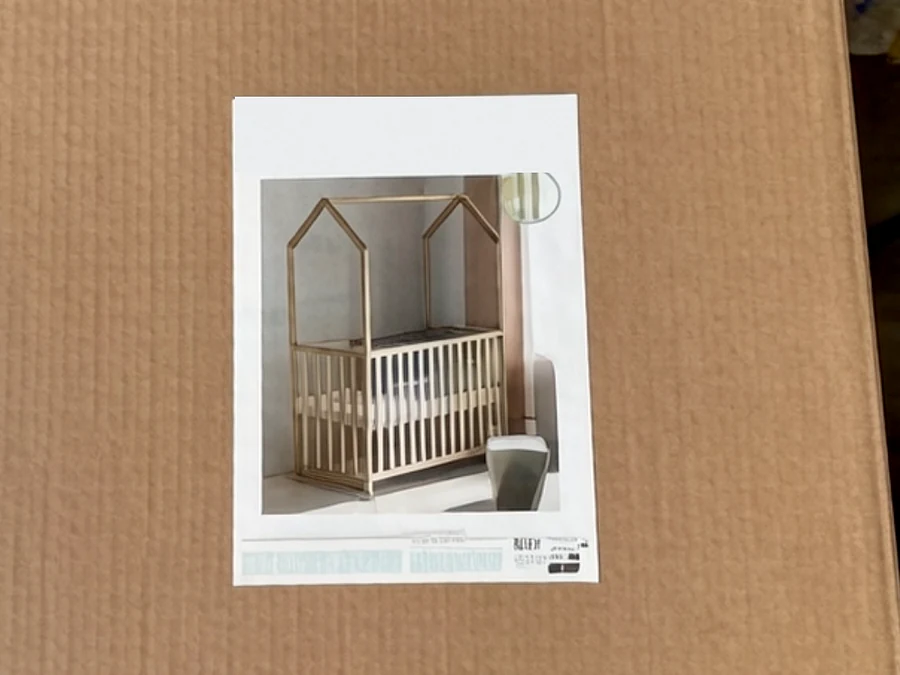
A standard carton is for wrapping and basic protection; it should not automatically be treated as mail-order packaging.
For projects and installation teams
Unload the protected pallet, move it to the work area, and get started with installation.
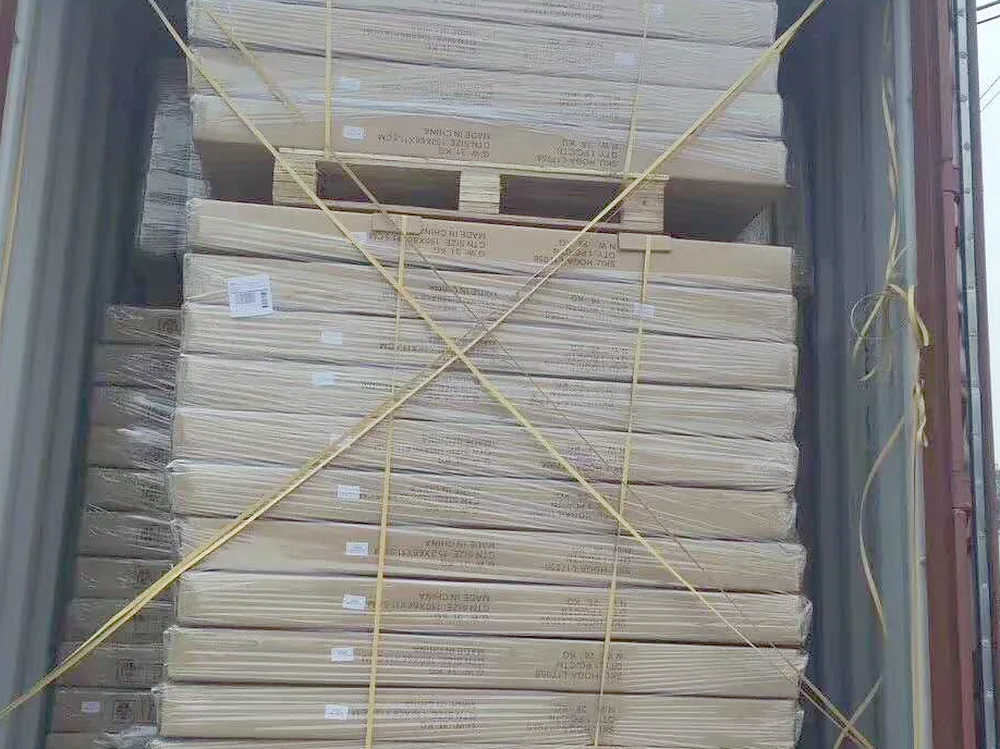
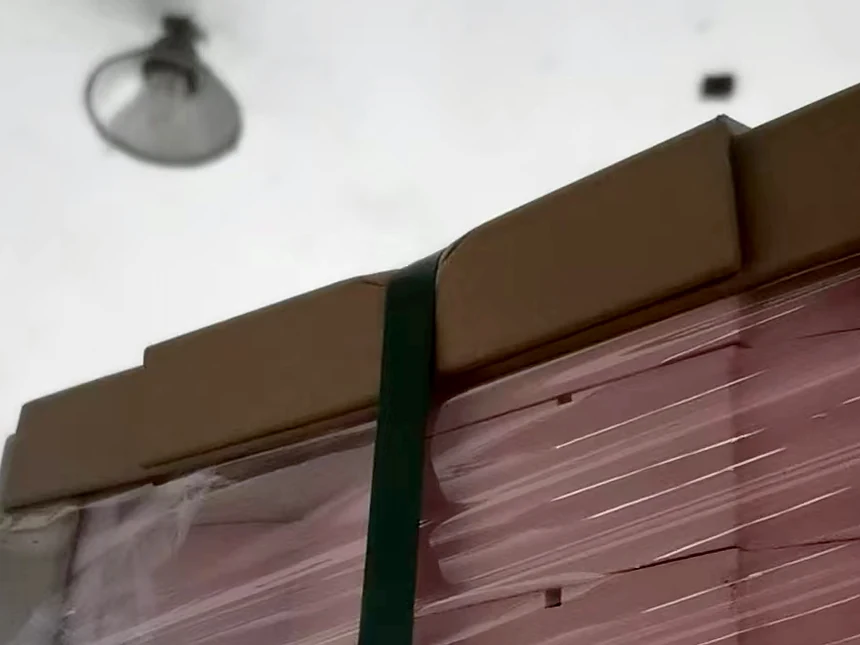
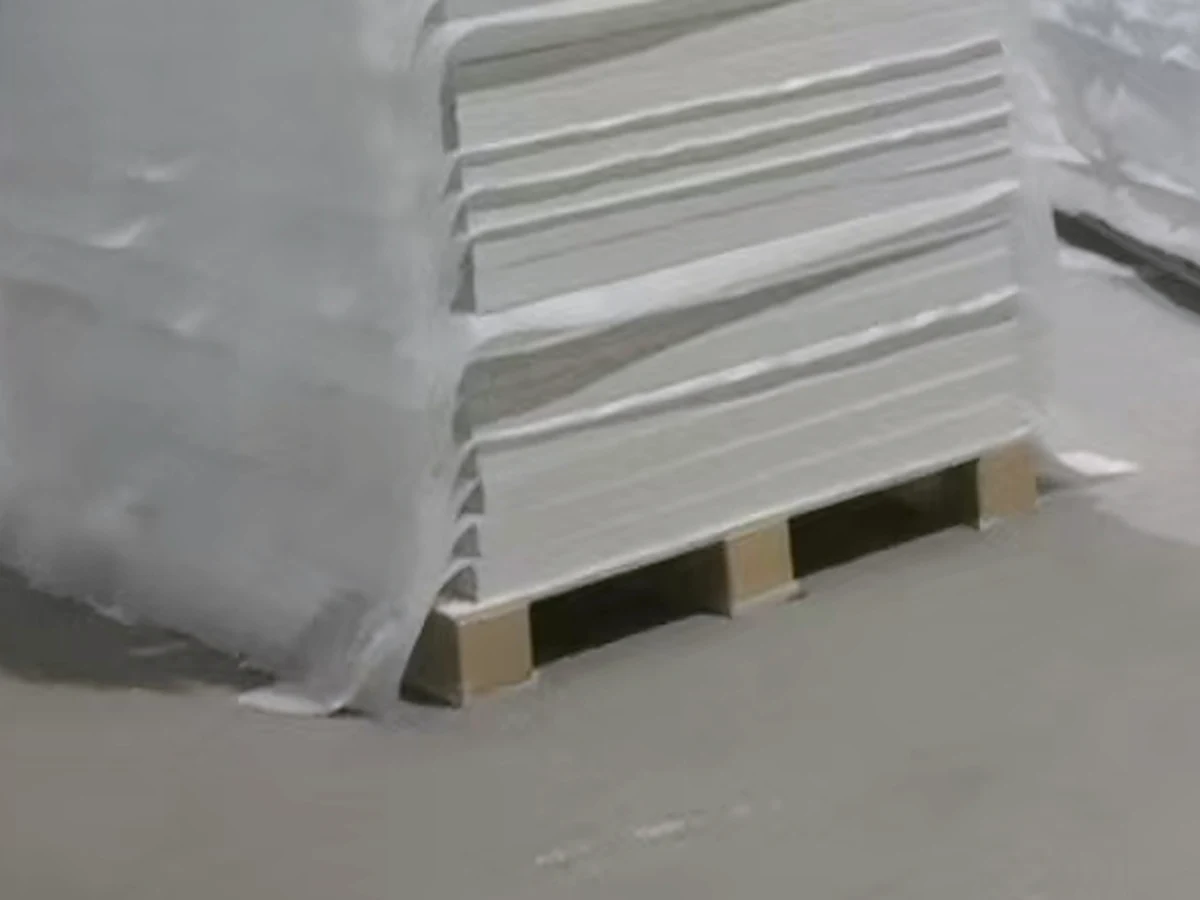
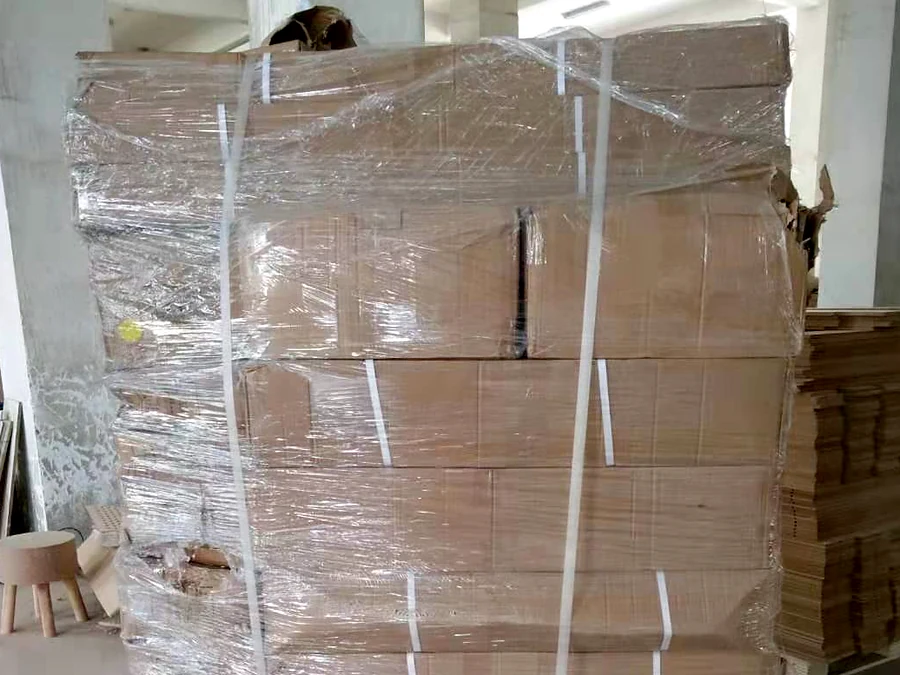
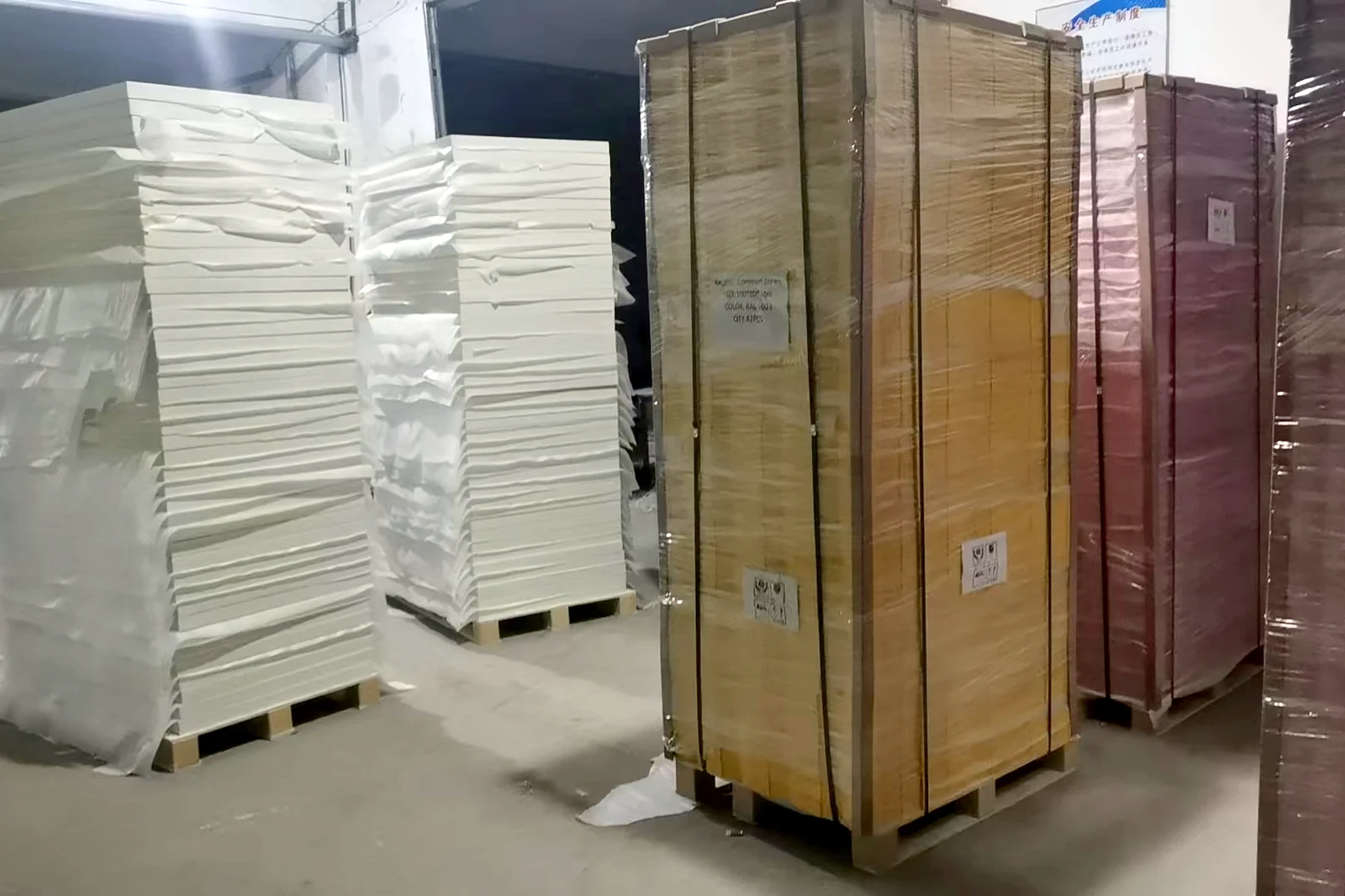
Custom pallet packaging keeps the load together for easier unloading and site handling. Pallet dimensions are made to suit the product and planned container loading arrangement, balancing product protection with efficient space use.
VidooCraft generally uses multi-ply plywood pallets instead of raw solid-wood pallets. Raw-wood packaging may require ISPM 15 treatment and marking for international trade; the accepted treatment is not always fumigation. Plywood made from processed wood is generally exempt, but destination requirements should be confirmed.
Official references: IPPC — Regulation of wood packaging material in international trade · European Commission — requirements for wood packaging and dunnage
20-foot standard dry container: about 25–28 CBM of cartons
40-foot high-cube dry container: about 62–69 CBM of cartons
These are the volumes we usually load with cartons, not the container’s theoretical capacity. Actual loading depends on carton shape, safe stacking, pallet use, loading layout and weight limits.
Send us a product photo, drawing or link and tell us how you sell. If you are unsure about packaging, we can review it with you.
Related links
- What packaging can you provide? — our product FAQ
- Quality Checks in Practice — how we inspect before shipment
